Bidding Chicago Work: Union Rates, Permits and the Department of Buildings
By the Illinois Construction Estimators estimating team. Published October 24, 2026. 8 min read.
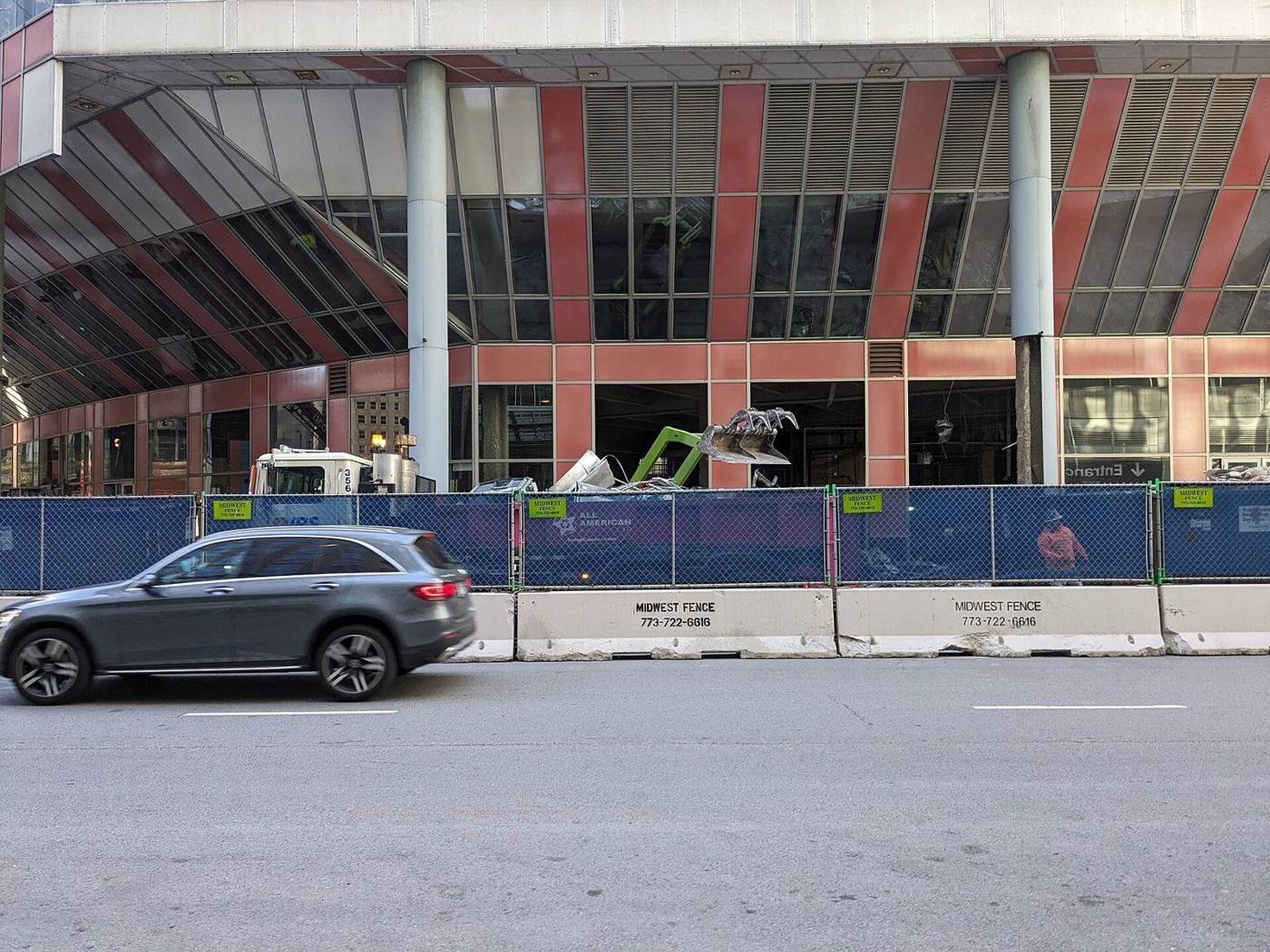
The same scope costs more to build in Chicago than downstate. Union labor, city permitting under the Chicago Department of Buildings, and downtown logistics all add cost. An estimate that misses any of them is underpriced before the bid goes out.
Labor: union, open shop or prevailing wage
Much of Chicago’s commercial and institutional work is built with union trades, and many bid documents require it. Before pricing a single hour, confirm which labor basis the bid calls for:
- Union rates follow the collective bargaining agreements for each trade, including fringe contributions.
- Prevailing wage applies to public works. Use the Illinois Department of Labor’s Cook County rates for city jobs and the right collar-county schedule for suburban ones. Our prevailing wage bidding guide explains how.
- Open shop rates are possible on private work where the owner allows it, but check the contract carefully.
Union and prevailing wage rates in Cook County are among the highest in the state, so labor is usually the largest gap between a Chicago estimate and a downstate one.
Permits and the Department of Buildings
The Chicago Department of Buildings issues permits for most construction, demolition and repair work in the city and enforces the Chicago Construction Codes. A few rules affect your estimate directly:
- For permit applications started on or after August 1, 2020, the 2019 Chicago Building Code is mandatory, with limited exceptions.
- Only an Illinois-licensed architect or engineer, or a City-licensed expediter, can apply for a plan-based building permit, and applications go through the city’s E-Plan system.
- Sprinkler and standpipe permits come from the Chicago Fire Department, not the Department of Buildings.
- Before issuing a permit, the Department of Buildings checks that the listed contractors have the proper qualifications and insurance.
Carry permit fees, expediter costs and the review timeline in your general conditions. In its 2025 budget statement, the department reported an average of 21 days with the department for plan review at the end of October, with more time on the applicant side. Schedule slips cost money, so price your general conditions for the real timeline.
Downtown logistics
Tight sites in the Loop, River North and River West make every delivery and lift more expensive. Budget for:
- Hoisting and crane time, including permits for cranes and street use
- Off-hours deliveries and the labor premium that comes with them
- Traffic control and sidewalk protection
- Limited or off-site laydown and material staging
- Parking and transit costs for crews
Market conditions in 2026
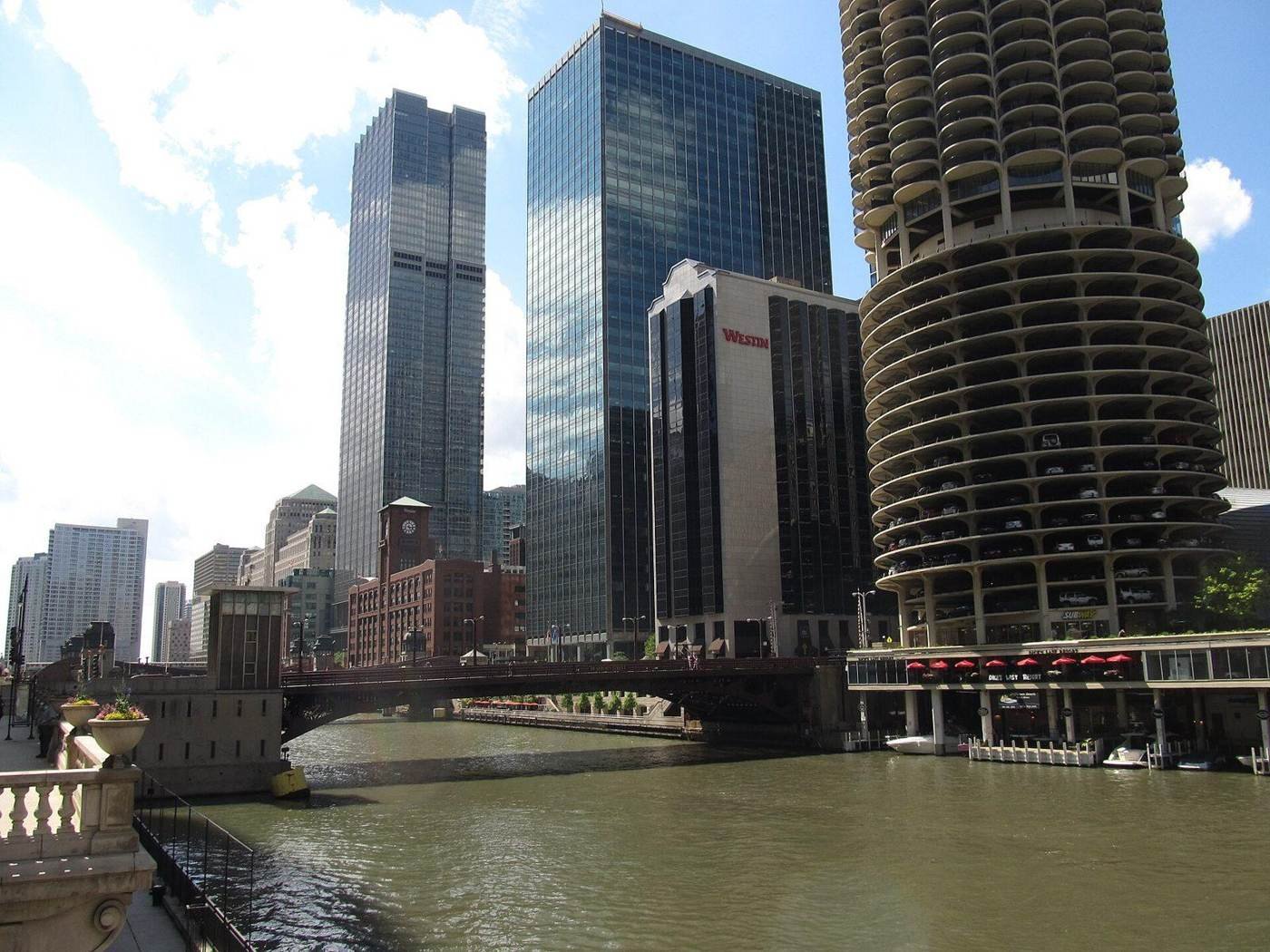
Large projects compete for the same crews and equipment. Bally’s Chicago, a casino complex with a 34-story hotel on the river in River West, reached its full height in 2026 and moved into interior build-out. On the Southeast Side, the Illinois Quantum and Microelectronics Park is rising on 128 acres of the former U.S. Steel South Works site.
When projects like these are staffing up, subcontractor availability tightens and quotes rise. Get trade quotes early and note how long each one is valid.
A Chicago bid checklist
| Cost item | Where it goes in the estimate |
|---|---|
| Union or prevailing wage labor rates | Every labor line |
| Building permit fees and expediter | General conditions |
| Fire Department sprinkler and standpipe permits | Fire protection |
| Street, sidewalk and crane permits | General conditions |
| Hoisting and crane time | Equipment |
| Off-hours delivery premiums | Material and labor |
| Traffic control | General conditions |
Suburban Chicagoland bids are different
Outside the city limits, the Chicago Department of Buildings doesn’t apply. Each suburb runs its own permit and inspection process, often under different code editions and local amendments. A project in Naperville, Schaumburg or Joliet needs its own check of:
- Which building code edition and local amendments the municipality has adopted
- Permit, plan review and impact fees
- Inspection scheduling and any third-party review requirements
- The right county prevailing wage schedule for public work: DuPage, Kane, Lake, McHenry or Will instead of Cook
Labor markets also differ. Some suburban private work is bid open shop, while similar work in the city is mostly union. Check the bid documents rather than assuming either way.
Getting reliable subcontractor quotes
On a general contractor’s Chicago bid, subcontractor quotes often make up most of the number. Protect yourself:
- Send every sub the same scope sheet so quotes can be leveled line by line.
- Ask each sub to state their labor basis: union, open shop or prevailing wage.
- Confirm who carries hoisting, permits and cleanup. These are the most common gaps.
- Note how long each quote holds, especially for steel, electrical gear and roofing.
- Keep a plug number for any trade with only one quote, and flag it in your bid review.
We level subcontractor quotes as part of our full Chicago estimates, so missing scope shows up before bid day, not after award.
Winter and seasonal costs
Chicago winters add costs that a summer estimate won’t show. If the schedule runs through the cold months, price:
- Cold-weather concrete measures: heated enclosures, blankets, accelerators and heated materials
- Temporary heat and enclosures for interior trades before the building is closed in
- Snow removal and site maintenance
- Lower crew productivity in extreme cold
- Schedule float for weather days on exterior work such as roofing and masonry
The same scope can cost noticeably more in January than in June. Check the bid schedule, and if the owner’s dates push exterior work into winter, price it and say so in your clarifications.
Pricing high-rise work
Tall buildings change the math on almost every trade. Labor productivity drops as crews wait for hoists, materials must be lifted and staged floor by floor, and many trades repeat on typical floors with different conditions at the podium, mechanical floors and roof.
Break high-rise takeoffs into zones: below grade, podium, typical floors and top-of-building. Price the typical floor once with care and multiply it, then price the unique zones separately. Add vertical transportation time to labor, and carry temporary elevators, hoists and their operators as their own lines.
Frequently asked questions
The Chicago Department of Buildings issues most construction, demolition and repair permits. Sprinkler and standpipe permits come from the Chicago Fire Department.
For permit applications started on or after August 1, 2020, the 2019 Chicago Building Code is mandatory, with limited exceptions.
Yes. Public works in Chicago must pay at least the Illinois Department of Labor prevailing wage rates for Cook County.
Yes. We price union, prevailing wage or open-shop labor, whichever your bid requires.
We price all of this on every Chicago construction estimate, and for suburban jobs in Naperville, Aurora, Elgin and Joliet. Outside Chicagoland, see our construction estimating services in Illinois.
- City of Chicago: Department of Buildings
- City of Chicago: Apply for a Building Permit
- City of Chicago: Building Permit Application Instructions
- City of Chicago: Department of Buildings 2025 budget statement
- Illinois Department of Labor: Prevailing wage rates
- CoStar: Bally’s entertainment complex takes shape in Chicago
- REjournals: Chicago projects to watch